1
/
of
2
SoCal Soul Plants & Gifts
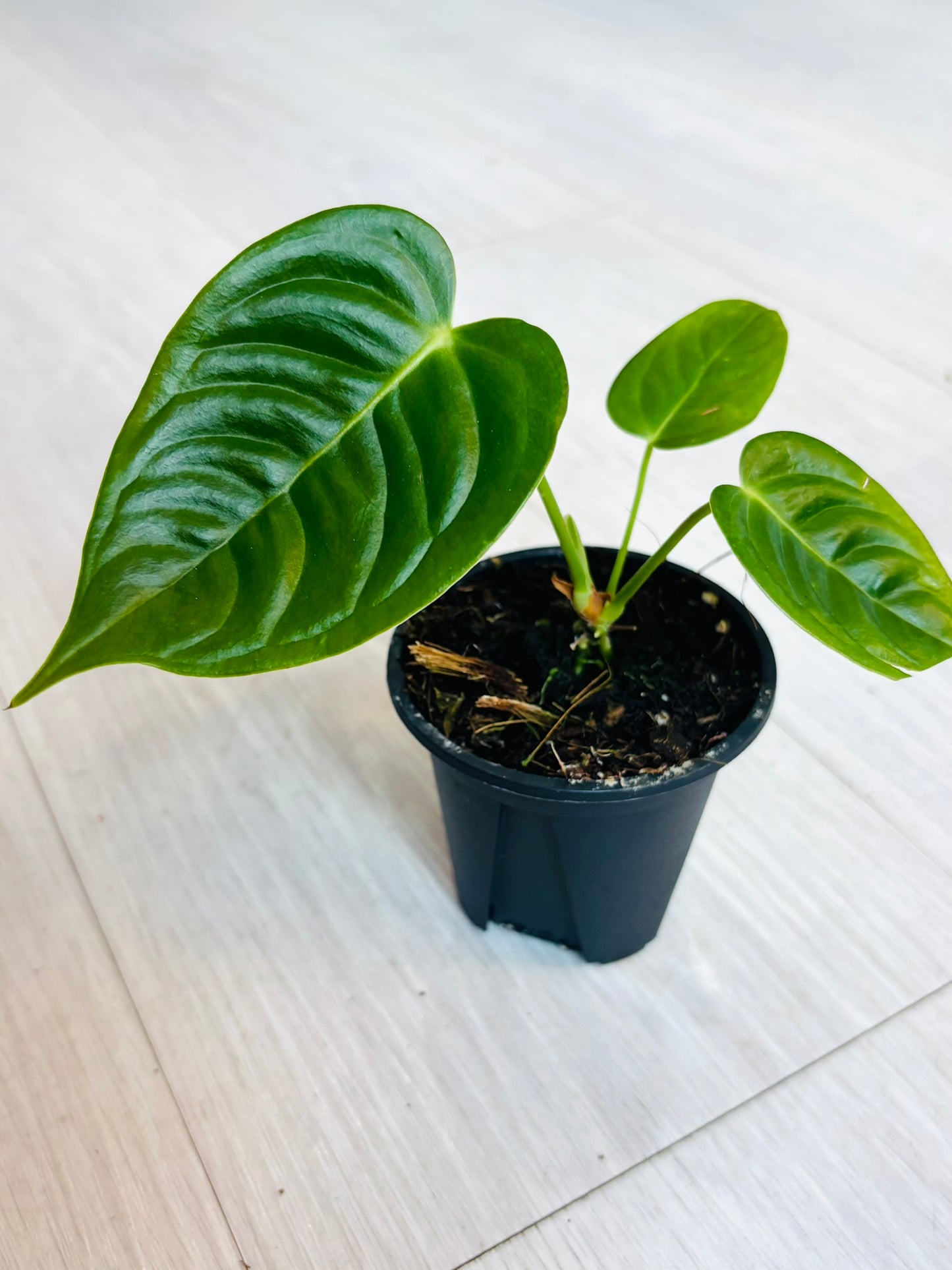
Anthurium Veitchii
Anthurium Veitchii
Regular price
$35.99 USD
Regular price
Sale price
$35.99 USD
Unit price
/
per
Shipping calculated at checkout.
Delivery or In Store Pick Up Available
Free in-store pick-up is available during store hours.
Orders are ready to go within 24-48 hours after your order is placed.
You will be notified via email when your order is ready for pick up.
Delivery via USPS is available at check out. Not available for plants over 6" nursery pot size.
Share
Couldn't load pickup availability
Caring for an Anthurium veitchii, also known as the "King Anthurium" because of its stunning, long, quilted leaves, is quite rewarding. Here's a friendly guide to help you keep this tropical beauty thriving indoors:
Light
- Bright, indirect light is ideal. Too much direct sunlight can scorch its leaves, while too little light may stunt growth.
- Place it near an east or north-facing window, or filter strong light with sheer curtains.
Watering
- Keep the soil evenly moist but not soggy. Allow the top inch of soil to dry out between waterings.
- Overwatering can lead to root rot, so always check the soil before giving it a drink.
- Use room-temperature, filtered, or rainwater if possible to avoid chlorine or fluoride issues.
Humidity
- As a tropical plant, it loves high humidity—aim for at least 60%.
- Boost humidity by misting, placing a tray of water with pebbles under the pot, or using a humidifier.
- Keep it away from drafty areas or dry air (like near heaters).
Temperature
- Keep it warm! Anthurium veitchii thrives in temperatures between 65–80°F (18–27°C).
- Avoid exposing it to temperatures below 55°F (13°C) or sudden cold drafts.
Soil
- Use a well-draining, airy mix. A blend of orchid bark, perlite, and peat moss works wonderfully.
- You can also add a bit of charcoal or sphagnum moss to mimic its natural epiphytic growing conditions.
Fertilizer
- Feed your King Anthurium with a balanced, diluted liquid fertilizer (such as 20-20-20) every 4–6 weeks during the growing season (spring and summer).
- Cut back on feeding during the fall and winter.
Repotting
- Repot every 2–3 years or when it outgrows its pot. Use a container with drainage holes.
- Be gentle with its roots—they can be quite sensitive.
Pests and Problems
- Watch out for pests like spider mites, mealybugs, and scale. Wipe down leaves regularly and treat infestations with insecticidal soap or neem oil.
- Yellowing leaves? This could indicate overwatering, underwatering, or a need for more light. Adjust care accordingly.
Leaf Care
- Clean the large, dramatic leaves with a damp cloth to remove dust and help it absorb light efficiently.
- If tips are browning, check humidity levels and avoid tap water with high salt content.