SoCal Soul Plants & Gifts
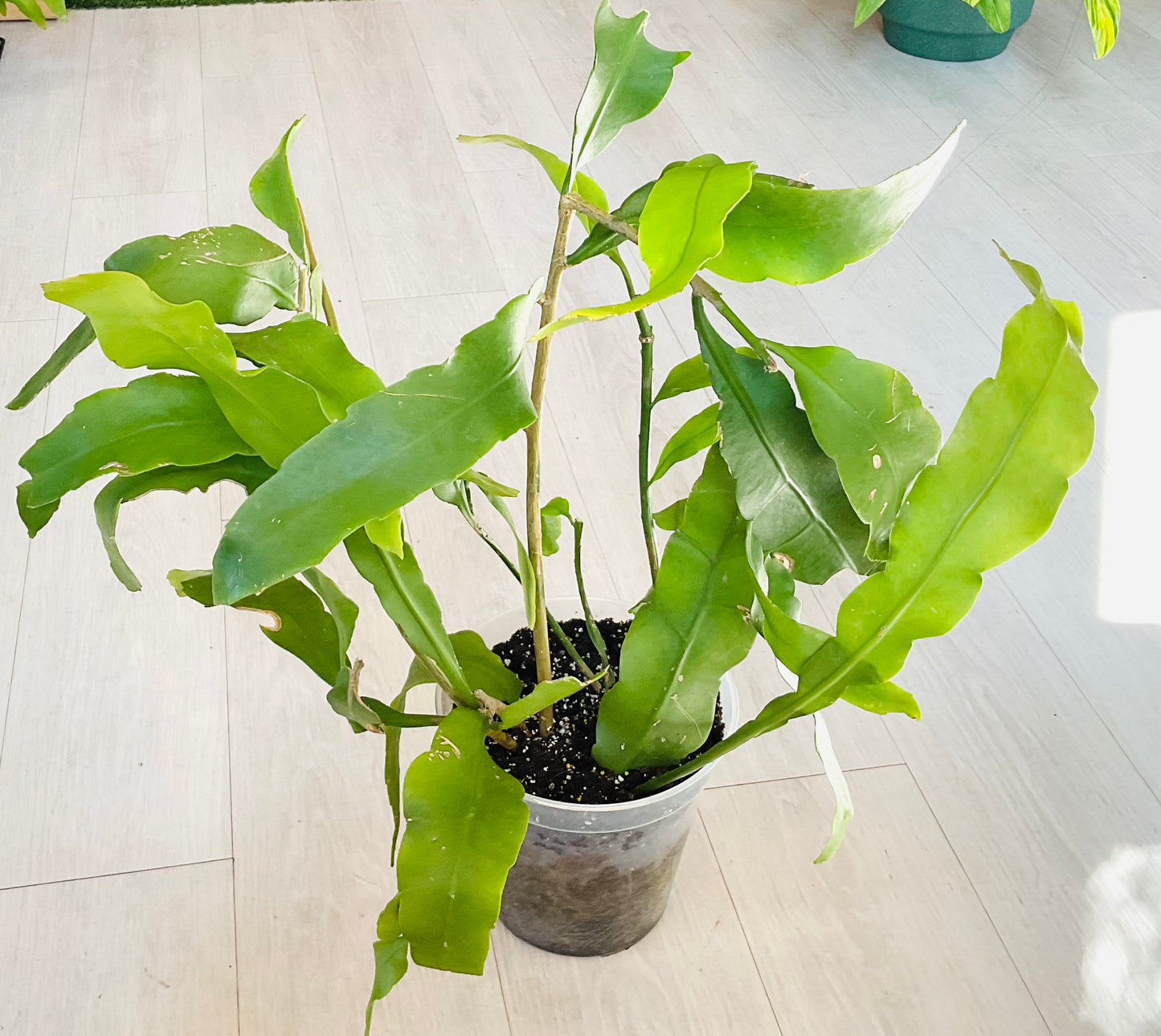
Queen of the Night
Queen of the Night
Delivery or In Store Pick Up Available
Free in-store pick-up is available during store hours.
Orders are ready to go within 24-48 hours after your order is placed.
You will be notified via email when your order is ready for pick up.
Delivery via USPS is available at check out. Not available for plants over 6" nursery pot size.
Share
Couldn't load pickup availability
* The plant photos shown are our stock images used to represent the general appearance, size, and quality of the plant you’ll receive. Please remember that each plant is unique—natural variations in color, shape, and size are completely normal!
Light
-
Loves bright, indirect light — filtered sunlight like what you’d get under a tree canopy.
-
Avoid harsh, direct afternoon sun; it can scorch the leaves.
Watering
-
Water when the top 2–3 inches of soil are dry.
-
In spring and summer (growth season), keep soil slightly moist but never soggy.
-
In winter, cut back on watering — let it almost dry out before watering again.
Temperature & Humidity
-
Prefers 60–85°F (16–29°C).
-
Protect from temps below 50°F (10°C).
-
Enjoys a bit of humidity — if your air is dry, a humidity tray or light misting helps.
Flowering
-
Flowers bloom only at night and last just one night — but wow, the show is worth it!
-
Blooms typically appear in summer, and the plant needs to be mature (usually 3+ years old) to flower.
-
To encourage blooms:
-
Give it plenty of bright light.
-
Keep it slightly root-bound.
-
Don’t over-fertilize with nitrogen — use a phosphorus-rich fertilizer instead.
-
Soil & Potting
-
Use a well-draining mix, like orchid mix or cactus soil with some perlite and peat moss.
-
Repot every 2–3 years or when it outgrows its pot.
Fertilizing
-
Feed monthly in spring and summer with a balanced liquid fertilizer diluted to half strength.
-
Stop fertilizing in fall and winter when growth slows.
Pruning
-
Prune after flowering to shape the plant and remove old, woody stems — this can also encourage new blooms next season.