Skip to product information
1 of 1

SoCal Soul Plants & Gifts

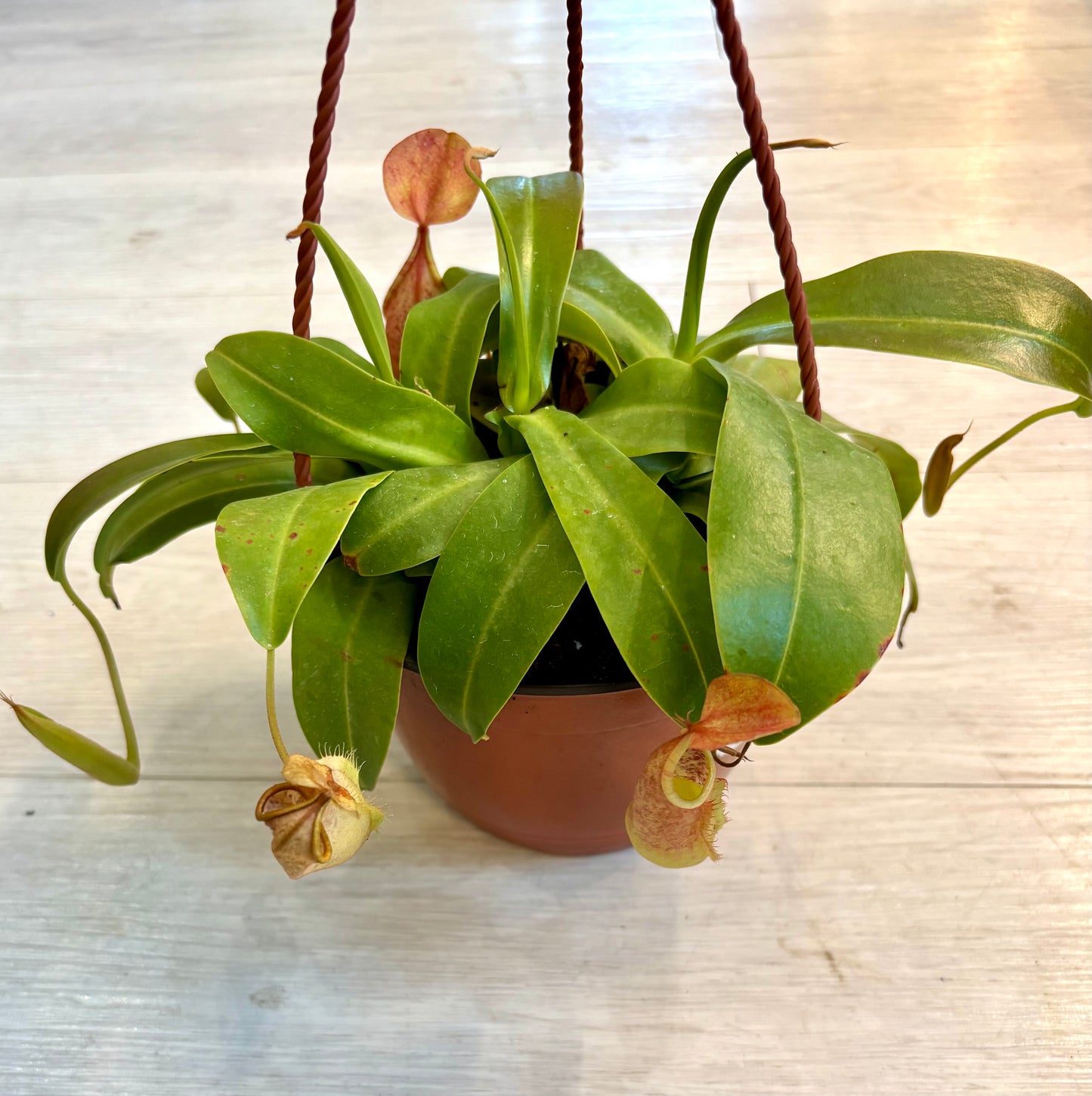
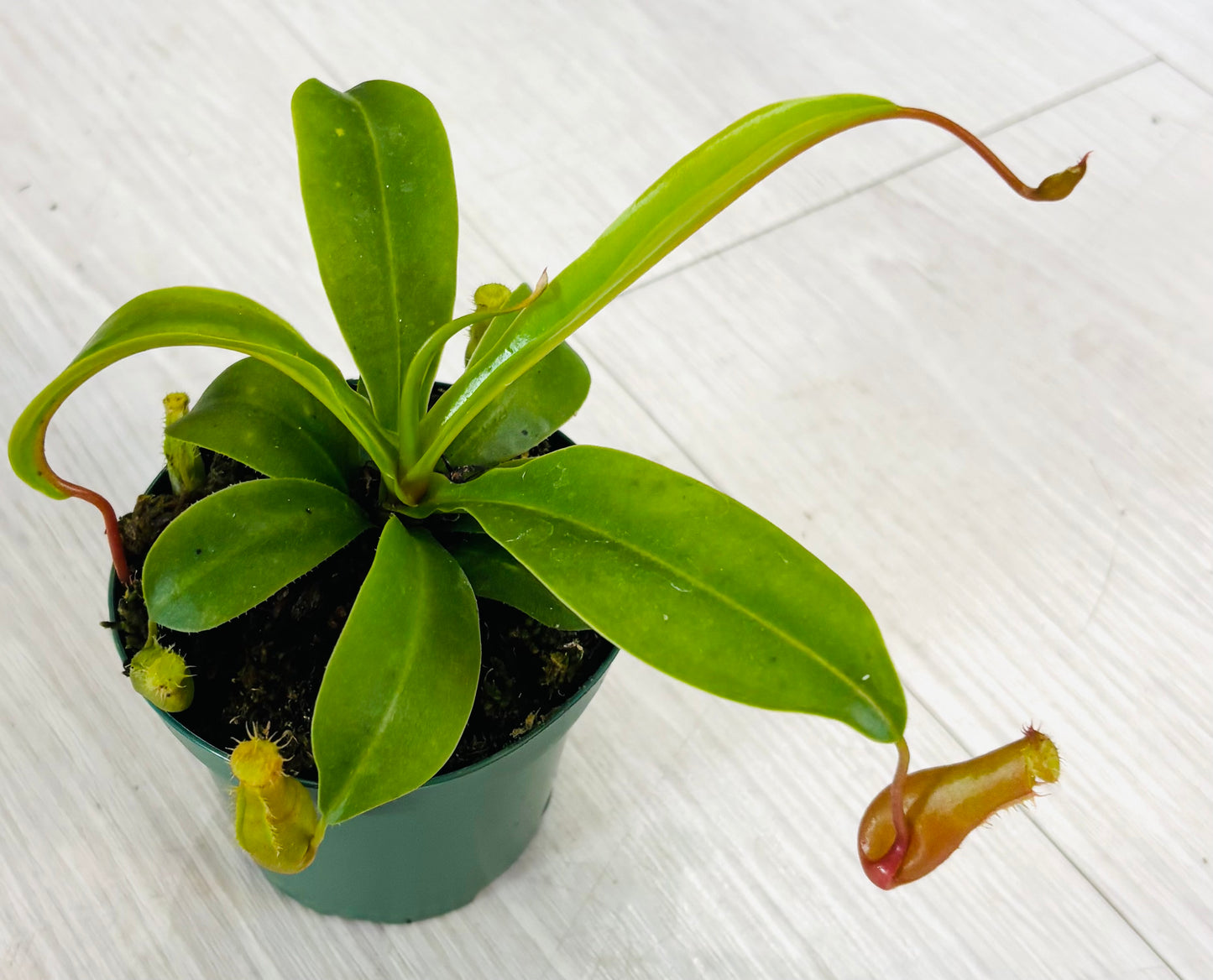
Nepenthes Pitcher Plant

Nepenthes Pitcher Plant

Regular price $32.99 USD
Regular price Sale price $32.99 USD
Sale Sold out
Shipping calculated at checkout.

Delivery or In Store Pick Up Available

Free in-store pick-up is available during store hours.

Orders are ready to go within 24-48 hours after your order is placed.

You will be notified via email when your order is ready for pick up.

Delivery via USPS is available at check out. Not available for plants over 6" nursery pot size.

Size

* The plant photos shown are our stock images used to represent the general appearance, size, and quality of the plant you’ll receive. Please remember that each plant is unique—natural variations in color, shape, and size are completely normal!

LIGHT

  • Bright, indirect light is ideal.

  • Avoid direct midday sun for lowland species—it can burn leaves.

  • Highland species prefer cooler, filtered sunlight.

WATER

  • Use distilled, rain, or reverse osmosis water—they are sensitive to minerals in tap water.

  • Keep the soil consistently moist but not waterlogged.

  • Humidity should be 60–90%; misting can help in drier climates.

SOIL

  • Use a well-draining, acidic mix.

  • Typical mixes: sphagnum moss + perlite, or sphagnum moss + orchid bark.

  • Avoid regular potting soil—it retains too many nutrients and can harm roots.

GROWTH HABIT

  • Vining in nature; pitchers form along the leaf tendrils.

  • Can grow several feet long under ideal conditions.

  • Provide a trellis or hanging basket for support.

PROPAGATING

  • Typically propagated via cuttings.

  • Cut a healthy vine just below a leaf node and root in sphagnum moss under high humidity.

PRUNING & REPOTTING

  • Trim old or dead leaves and pitchers to promote new growth.

  • Repot every 2–3 years into fresh sphagnum mix to maintain health.

FERTILIZING

  • Fertilizer is not strictly necessary, as they get nutrients from insects.

  • Optional: dilute orchid or carnivorous plant fertilizer applied to the soil or in the pitcher once a month.

  • Avoid overfertilizing; too much fertilizer can kill the plant.

FLOWERING

  • Rare in cultivation.

  • Flowers are small, unremarkable, and grow on long stalks separate from the leaves.

TOXICITY

  • Non-toxic to humans and pets.

  • Avoid ingesting pitchers.

PRO TIPS

  • Keep insects around if indoors (or occasionally feed dried insects) to maintain pitcher health.

  • Avoid overwatering with tap water; mineral buildup is harmful.

  • Ensure good air circulation to prevent fungal issues.

  • If growing a highland species, keep nighttime temps cooler (50–60°F), while lowland species prefer warm nights (70–80°F).

View full details